MAY 2025
JEWELRY STORE WEBSITE
The Challenge
This was not a small course project. The brief was simple on paper: build a fully functional e-commerce application from scratch. No tutorials, no hand-holding, no templated path to follow. Backend, database, API, frontend. All of it. The only guardrail was that it had to work and it had to look good. Both were graded.
The Scope
The course was designed to teach full stack development end to end, but the way it did that was by throwing us into the deep end and watching us figure it out. Every layer of the stack was our responsibility as a team. That meant designing the database, building the API, wiring up the frontend, and making sure the whole thing held together as a real, usable product.
What We Built
We built a jewelry store with a minimalistic aesthetic, taking direct inspiration from real brands in the industry. Clean layouts, careful typography, a lot of whitespace. The kind of store that feels considered rather than cluttered.
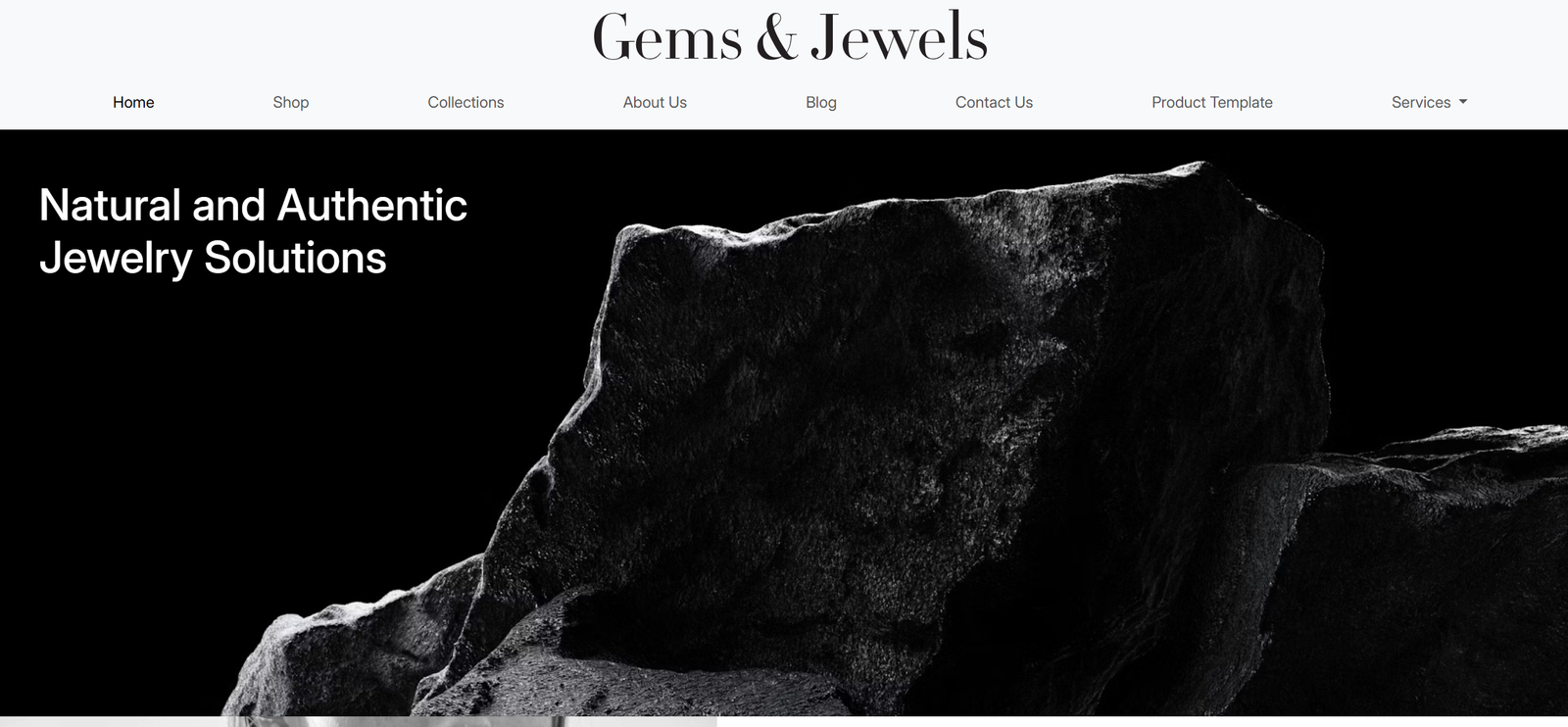
To get the visuals right, we taught ourselves advanced Photoshop techniques to compose and retouch product imagery. Stitching photos together, adjusting light and tone, making sure every image felt like it belonged to the same world. The design was not an afterthought. It was half the work.
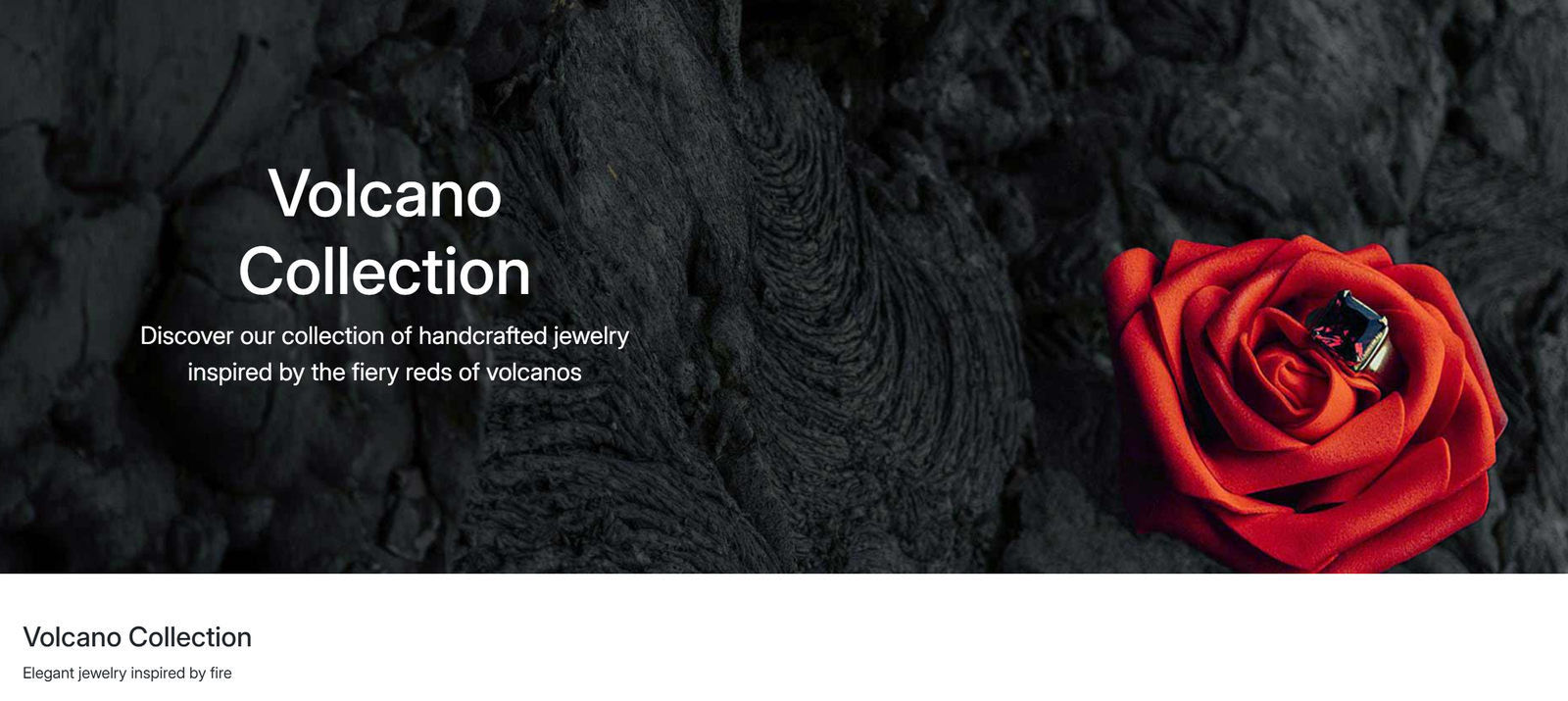
that rose was never there and neither was the ring :)
My Role
My focus was the main page and the collections page, the two most visible parts of the store. First impressions, essentially. That meant thinking beyond just making things work and starting to ask harder questions: what does someone notice first, where does their eye go, what makes them stay or leave.
It was probably where my sense for UI and UX started forming properly. Not from a course or a book but from sitting with a design, feeling like something was off, and having to figure out why. Spacing, hierarchy, how a grid breathes. Things that are hard to name but easy to feel when they are wrong. Working on pages that people would actually land on made that instinct click in a way that smaller exercises never quite did.
What It Demanded
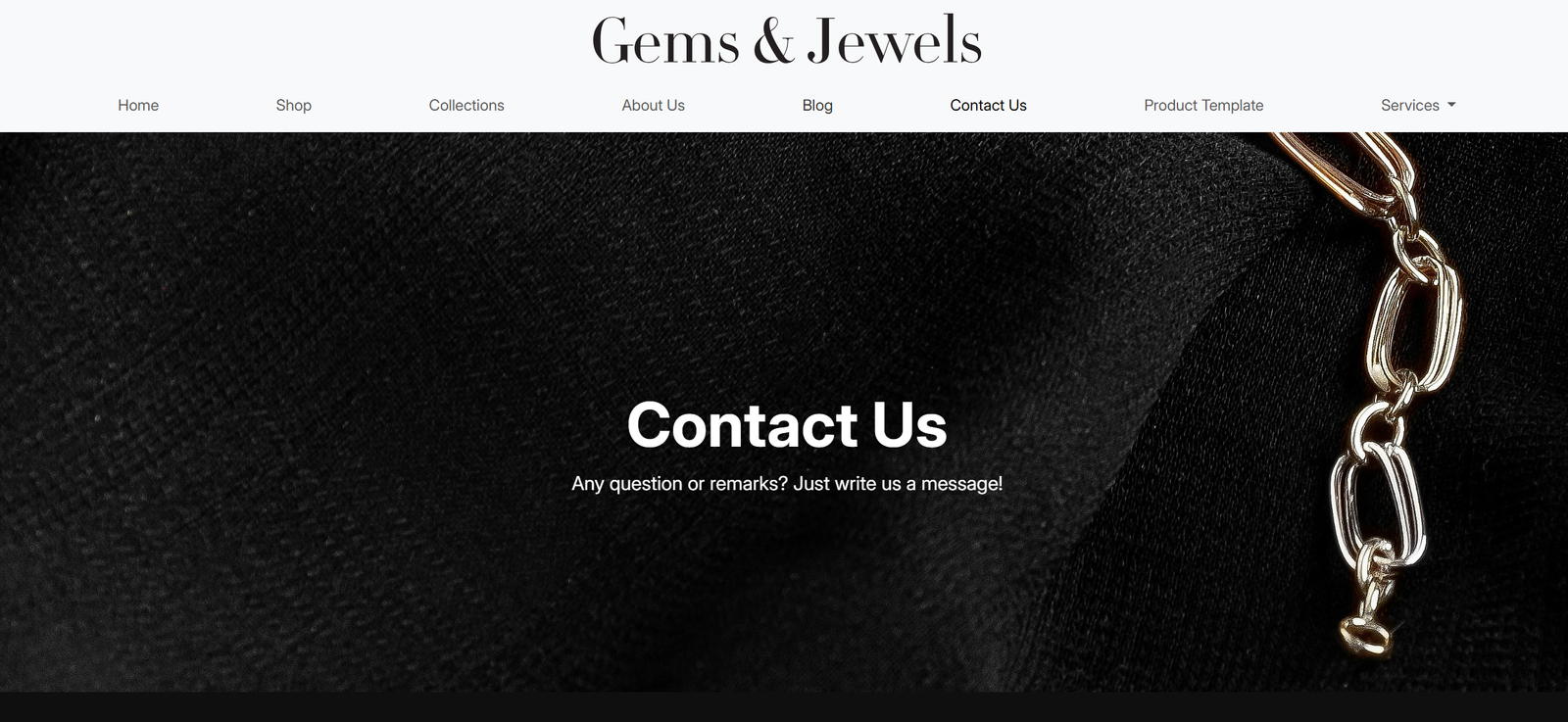
Functionality and aesthetics were weighted the same. Neither could be an afterthought. That pressure forced a standard of work that went beyond what most course projects ask for. It had to function like a real store and present like one too.
What It Proved
Building a full stack e-commerce application as a team, with a design standard that matched real industry output, showed what is possible when every person on the project takes their piece seriously.
It remains one of the most complete and demanding projects I worked on as a student.